







The Japanese Art of Repair
Calling attention to the cracks, knowledge and technique flirt openly with philosophy in the Japanese art of Kintsugi. With humility and gratitude, Stéphane Bouchard tells us the story of what he learned in the Land of the Rising Sun.
Kyoto, Spring 2025.
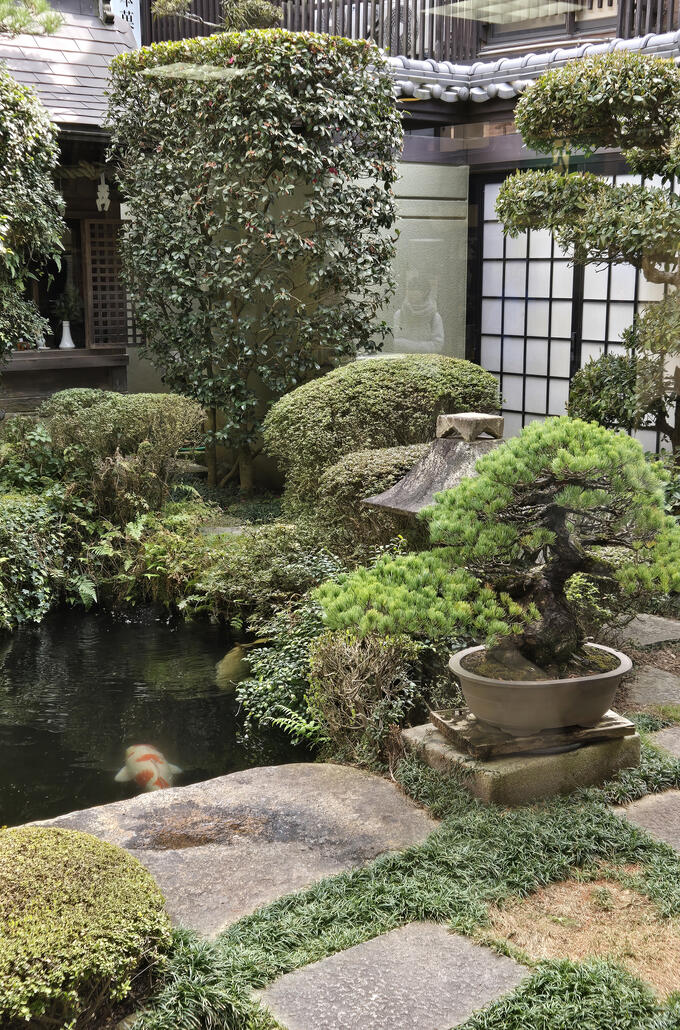
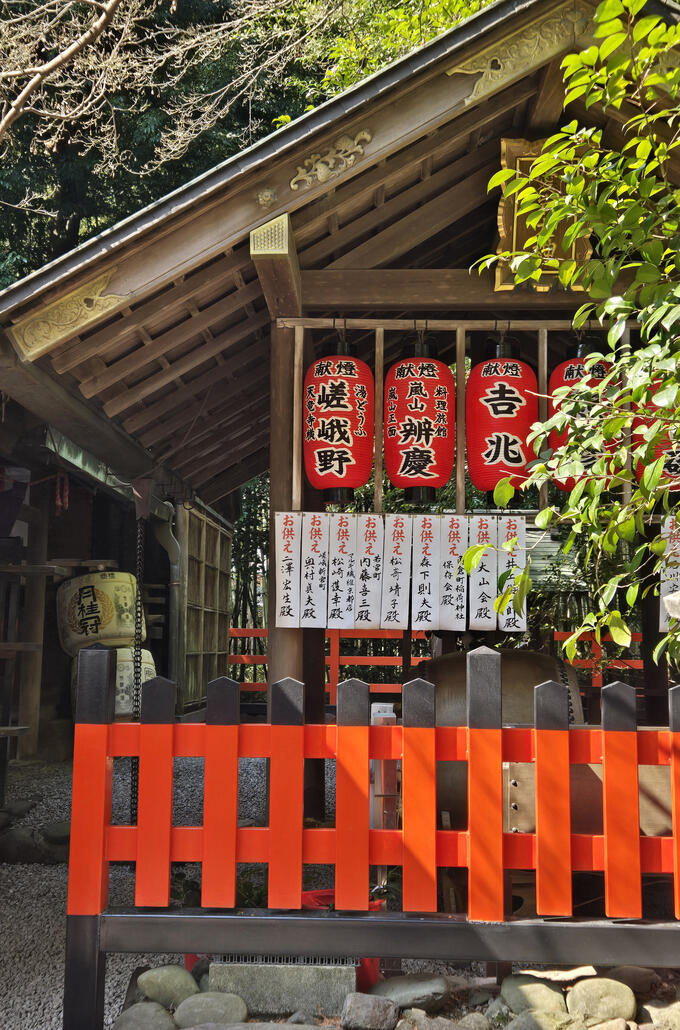
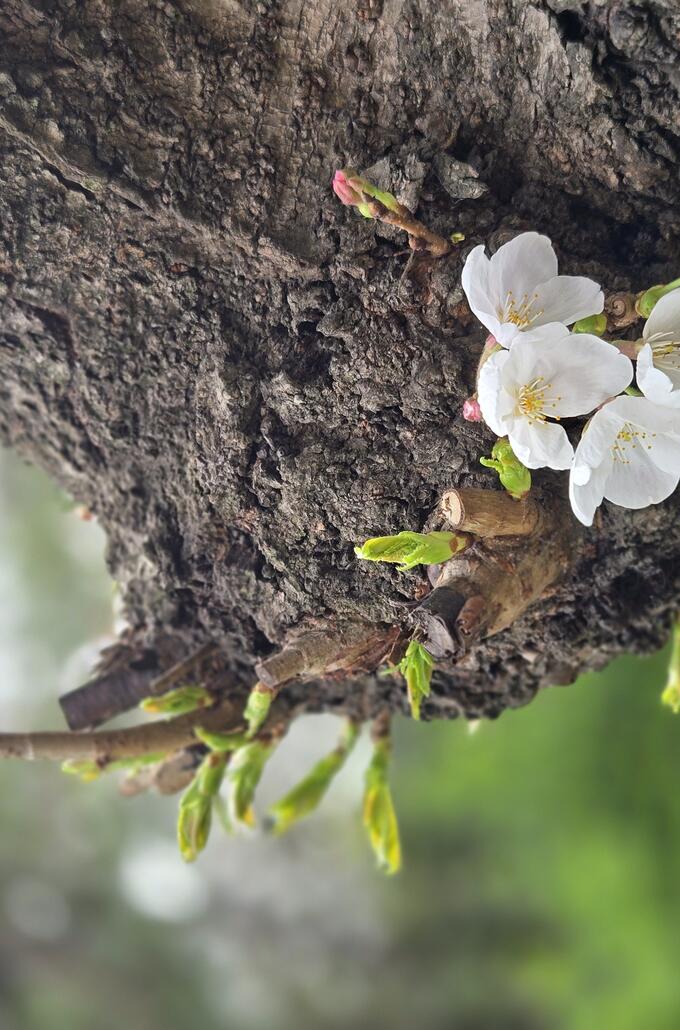
Sakura (cherry blossoms) are flowering and the petals float in air impregnated with the history of this city, so emblematic of Japan. She is a bit of a keeper of traditions, that way. Here, kimonos are still worn, and geishas still perform tea ceremonies. Mr. Tsutomu Matsuda, with the utmost precision, keeps the art of Kintsugi, as it was passed down to him, alive. The silver medal and certificates of honour awarded to him as a grand master and the bearer of traditional knowledge attest to this, and are given pride of place in the entryway to his home studio.
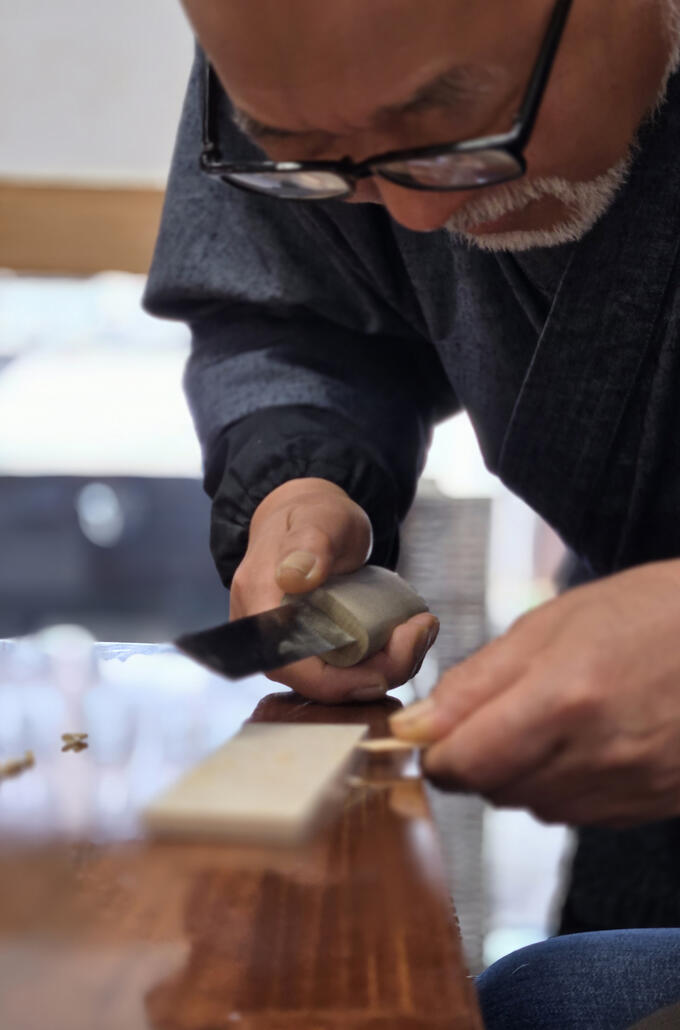
Kintsugi isn’t just practised in any old way. Much like we don’t wear old shoes or slippers just anywhere. We change them in every room we enter, or almost every one. Here, everything is codified. At meals, you dip your nigiri in sauce meant for nigiri, and your tempura in sauce meant for tempura. In the studio, one doesn’t make the mixture by moving the tool; instead, the mixture is made by moving the container. The same with the brush: it stays motionless, while we slide the piece of pottery over the silk. Perhaps this state of mind may seem restrictive to our Western brains, but it originates in a culture so old that each thing, each action has already reached its full potential… A form of perfection that doesn’t require anything to be done differently. But, it’s in the perfectly imperfect that the art of Kintsugi speaks: the piece of pottery, after the master has taken his care with it, attains a completeness of a different sort, one that is still whole, if not more than whole, after the crash and the cracking… An injury that we do not seek to hide, but to call attention to, with a strip of gold.
It is a story of resilience. Of a sublimated wound.
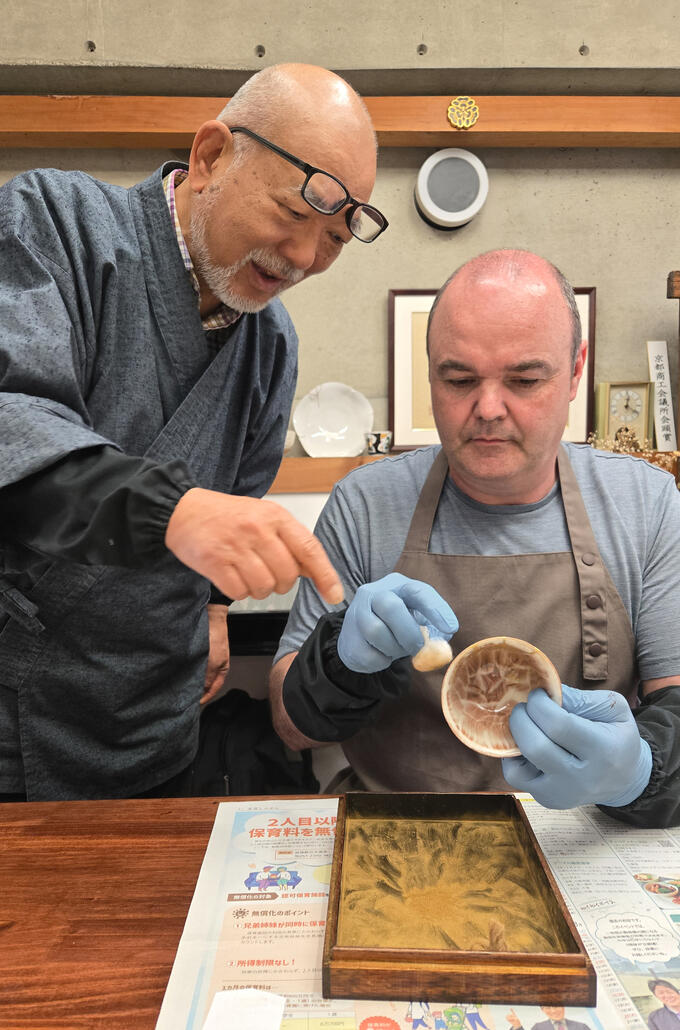
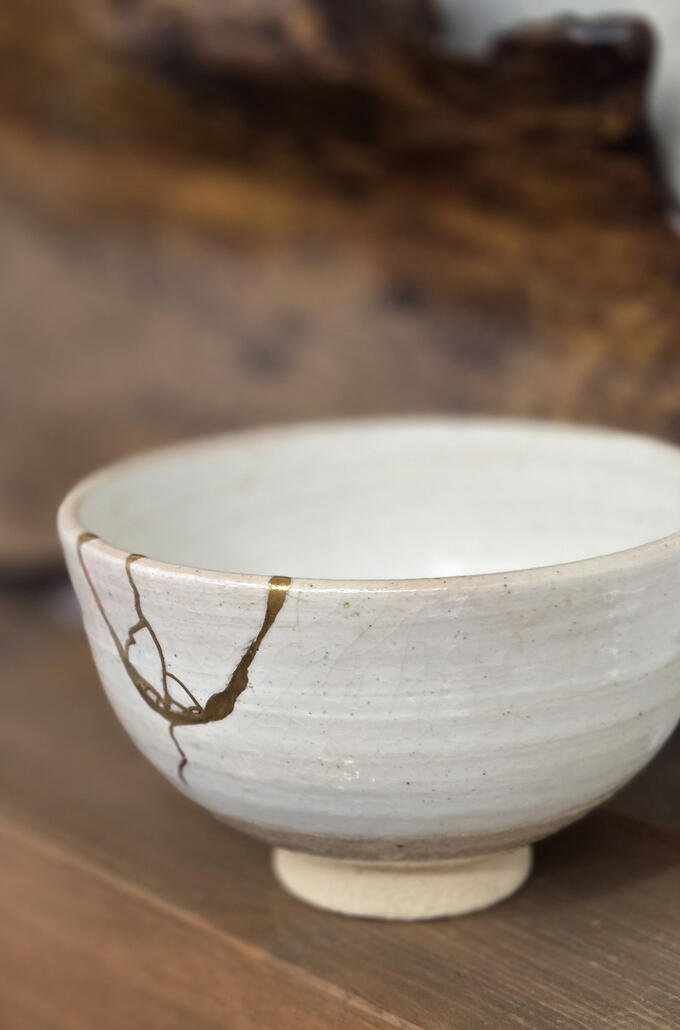
It’s this philosophy that spoke so much to Stéphane Bouchard. He worked so hard to take those complex, months-long steps, with the help of caretaker and interpreter Shin, to snag an apprenticeship with a grand master for his 50 years. By his own admission, Stéphane likes to mark the passing of the decades in big ways, and this one, turning 50, would be a memorable one. Coming home from this introductory trip, he brought back the master’s extreme attention to detail, the goodwill of a people, the lesson that time matters… And the equipment needed to put his learning into practice, once back in Saint-Irénée. Because the resin used in Kintsugi is not easily found, Urushi sap is harvested by tapping the varnish tree (Japanese sumac)... And there’s nothing boring about this process: Urushi sap dries in the cold temperatures… You read that right! After which it becomes waterproof, durable, and antibacterial. As in alchemy, matter transforms and becomes ennobled, powdered gold! This is the happy lot that awaits the broken pots in the Ateliers Charlevoix studios, while Stéphane works to put the knowledge he has been given into practice. Happily, Mr. Matsuda is still committed, reachable by email and proudly help his first Canadian student, whom he wants one day to help to pass down this traditional knowledge.